10 Top Tips for First time Trail Runners

Our 2026 Mantra
Running your first ultra is a powerful adventure.
The transition from marathon to ultra distance demands more than just adding miles. To ensure you arrive ready, here are 10 evidence-based tips for first-time UK ultra runners.

1. Build Gradually
The 10% rule isn't arbitrary. Increasing your weekly mileage by no more than 10% per week creates the stimulus needed for adaptation while keeping tissue breakdown within recoverable limits. This conservative approach becomes especially critical when your weekly volume pushes into triple digits. But volume progression is only one variable. How you periodise intensity alongside distance determines whether you build resilience or accumulate fatigue debt that manifests weeks later.
2. Back-to-Back Long Runs
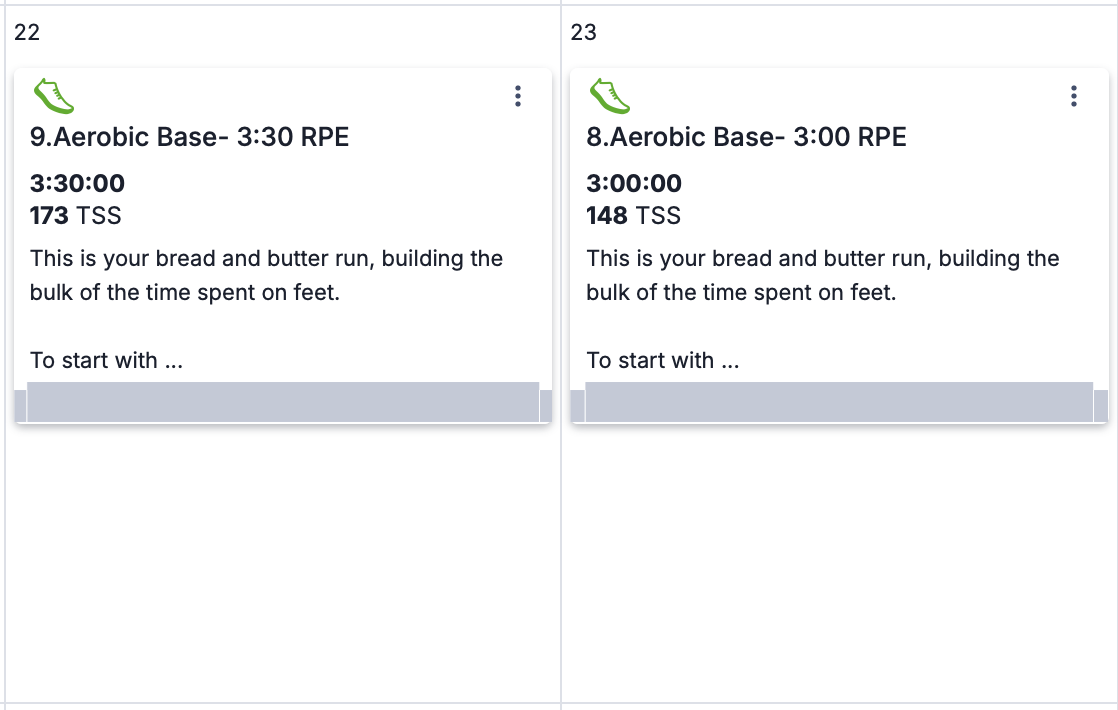
Single long runs build aerobic capacity, but back-to-back long efforts teach your body something more valuable: how to run on compromised legs. Programming a substantial run on Saturday followed by another significant effort on Sunday simulates the cumulative fatigue you'll face from mile 50 onwards. The challenge lies in calibrating the effort level, duration ratio, and terrain selection for each session to create the right training stimulus without tipping into counterproductive breakdown. But I don’t have time! Training for an ultra takes time and there will always be a sacrifice. If you cant do two long runs don’t worry! Try a strength session followed by a long run the next day. This helps to simulate running in a fatigued state without the long durations.

3. Train on Similar Terrain
Specificity matters profoundly in ultra preparation. If your target race features technical trails across the Lake District or moorland in the Brecon Beacons, road running won't adequately prepare your ankle stabilisers, proprioception, or descending technique. Trail surfaces demand constant micro-adjustments from smaller stabilising muscles that road running simply doesn't develop. The question becomes how much terrain specificity you need relative to your current injury history and bio-mechanical weaknesses.

4. Dial in Nutrition Early
Gastrointestinal distress ends more ultra attempts than fatigue. Your gut requires training just as your cardiovascular system does, it needs exposure to fueling at intensity to upregulate the transporters that move nutrients from your intestine into your bloodstream. Start testing your carbohydrate intake strategy from your first long runs, working toward 60-90g per hour depending on tolerance and effort level. But individual absorption rates vary significantly, and what works at marathon pace often fails completely at ultra intensity. The timing of when you introduce solids versus liquids, how you sequence different fuel types, and how you adapt your strategy as gut motility changes through a race requires methodical testing.

5. Strength Training is Non-Negotiable
Two strength sessions per week aren't optional extras, they're injury insurance and performance enhancers. Research consistently demonstrates that runners who incorporate regular strength work experience fewer overuse injuries and improved running economy. Focus on compound movements that address common ultra runner weaknesses: single-leg strength for lateral stability, posterior chain development for climbing power, and core endurance for maintaining form when exhausted. The specific exercise selection, loading patterns, and how you position these sessions within your weekly training architecture determines whether strength work enhances or compromises your running adaptations.
Do you need some guidance on your training? Check out our coaching options here

6. Learn to Hike Efficiently
The fastest ultra runners aren't those who run every metre, they're those who know when to hike. Power-hiking steep gradients at a controlled effort preserves your running muscles for terrain where running proves more efficient. Develop your uphill hiking technique: short steps, hands on knees for major ascents, maintaining steady breathing rather than spiking your heart rate. But identifying the precise gradient threshold where hiking becomes more economical than running depends on your individual biomechanics, current fatigue state, and what's coming in the next five kilometres. What about poles? Simple, learn to use them, but don’t ALWAYS train with them. Get efficient and train without them for the bulk will lead to stronger legs!

7. Don't Overlook Recovery
Adaptation occurs during recovery, not during training. The stimulus you apply during runs only becomes meaningful when your body successfully repairs and strengthens in response. Prioritise sleep above all else—this is when growth hormone peaks and tissue repair accelerates. Schedule mobility work to maintain range of motion as training volume increases. Consume protein and carbohydrates within your post-run recovery window. The complexity emerges when balancing aggressive training loads with adequate recovery markers. Knowing when to push through manageable fatigue versus when you're flirting with overtraining requires monitoring multiple physiological signals.
8. Use a Pacing Strategy
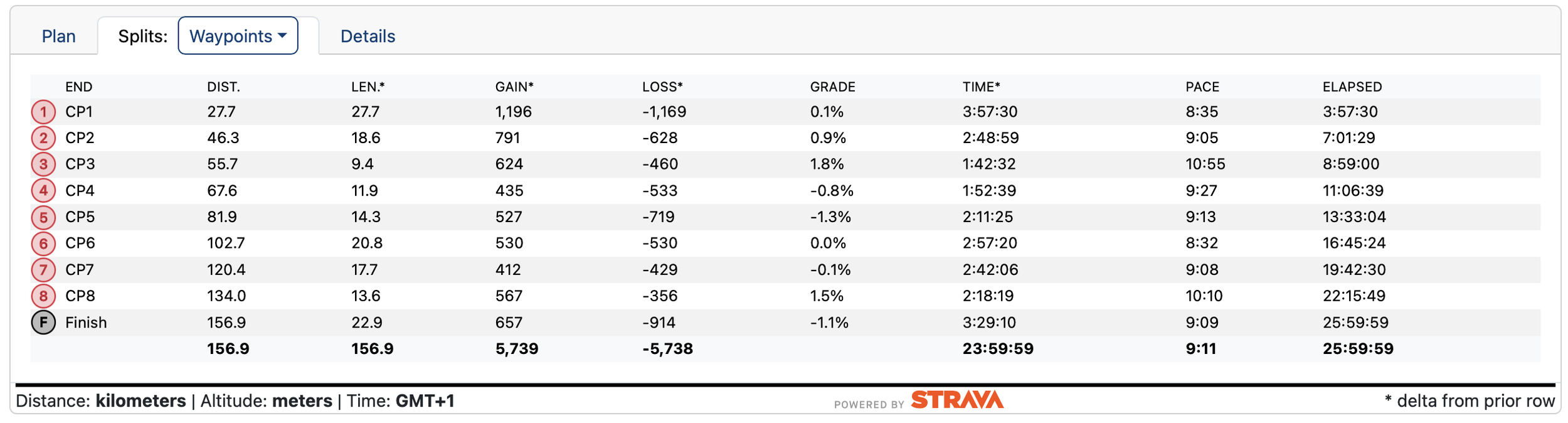
Starting conservatively in an ultra isn't cautious, it's tactical. The athletes who surge off the start line rarely maintain that enthusiasm past halfway. Your pacing strategy should account for terrain variability, cumulative elevation, and the exponential cost of early exuberance. Target negative splits by running the first third at a pace that feels almost pedestrian. But translating this principle into specific target paces or effort levels for your race, accounting for weather conditions and how your individual physiology responds to different pacing profiles, requires more sophisticated planning than a simple percentage of threshold pace.

9. Prepare Mentally
The ultra distance will test your psychological resilience as thoroughly as your physiology. Mental preparation isn't motivational thinking—it's practical rehearsal. Visualise specific scenarios: arriving at aid stations with a clear plan, managing low moments at predictable points in the race, executing your nutrition protocol when appetite disappears. This pre-race mental simulation reduces decision-making load when you're depleted. Yet the psychological strategies that work for one runner (mantras, process focus, outcome visualisation)may prove completely ineffective for another. Building your personal mental toolkit requires understanding your specific psychological patterns under duress.

10. Practice Gear and Logistics
Race day reveals every equipment decision you've postponed. Train with the identical pack you'll carry, ensuring the bounce pattern doesn't create hot spots over 8+ hours. Break in your race shoes thoroughly. Not just for comfort, but to understand their traction characteristics on wet roots and muddy descents. Test your mandatory kit configuration: where you'll stow your waterproof, how you'll access your headtorch, whether your phone remains accessible for emergencies. The details matter. Which specific pack volume you need, how drop bag strategy affects what you carry, whether your chosen shoe provides adequate protection for the cumulative pounding of your particular race profile.
Training Smart for Your First Ultra
These principles form the foundation of effective ultra preparation, but their application varies considerably based on your background, target race, and available training time. The difference between a generic plan and one optimised for your specific physiology, schedule constraints, and goal event often determines whether you arrive at the start line undertrained, overtrained, or genuinely ready.
At Beyond Ultra, we translate these approaches into personalised coaching plans, ensuring you train smart, stay healthy, and build genuine confidence for your first ultra.
Ready to get started? Book your free call today and let's build your path to the finish line.

Our most complete coaching package, built for runners who want more than just a training plan.
With 1:1 Coaching, your training is built around you and continually adapted as you progress. We work closely with you throughout your training, reviewing feedback, making changes when needed and helping you deal with everything from a busy week at work to the final few weeks before race day.
Whether you're training for your first big event, chasing a PB or preparing for a 100-mile ultra, you'll have a coach involved throughout the process.
For £95 a month, you get:
TrainingPeaks Premium subscription (usually £14.99/month)
Fully personalised training
Regular training reviews and adjustments
Strength & conditioning
Unlimited coach contact
Calls whenever you need them
Race preparation and strategy
Advice on pacing, nutrition, kit and recovery
Race Comeback Guarantee
Would like to read more? Check out some of our other posts here:
Why Personalised Coaching Matters for Ultra Runners
Couch to 50K Beginners Guide to UK Ultras in 2025
Running a 200 Mile Ultra