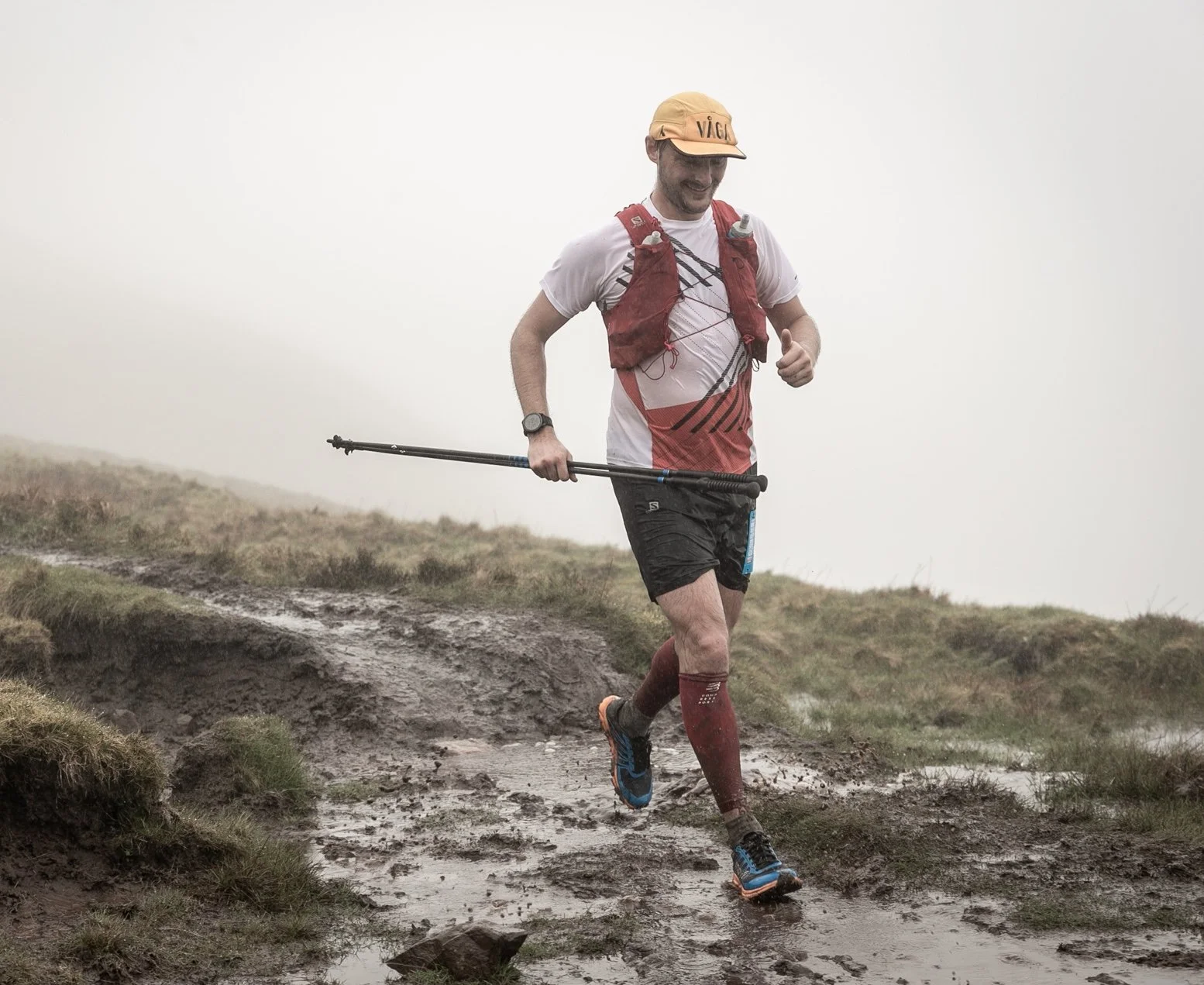
You've finished a few parkruns, started enjoying longer runs, or perhaps you're simply looking for a challenge that feels a little bigger than your usual weekend 10K.
What about running 50 kilometres?
The idea of your first ultramarathon might sound intimidating, but here's something worth knowing: you don't need to be an elite runner, exceptionally fast or have completed a marathon to start working towards a 50K.
What you do need is patience, consistency and a sensible approach to training.
At Beyond Ultra, we work with runners taking on everything from their first trail race to 100-mile ultramarathons. One of the most rewarding parts of coaching is helping someone realise that a distance they once thought impossible is actually achievable.
So, if you're thinking about going from couch to 50K, here's where to start.
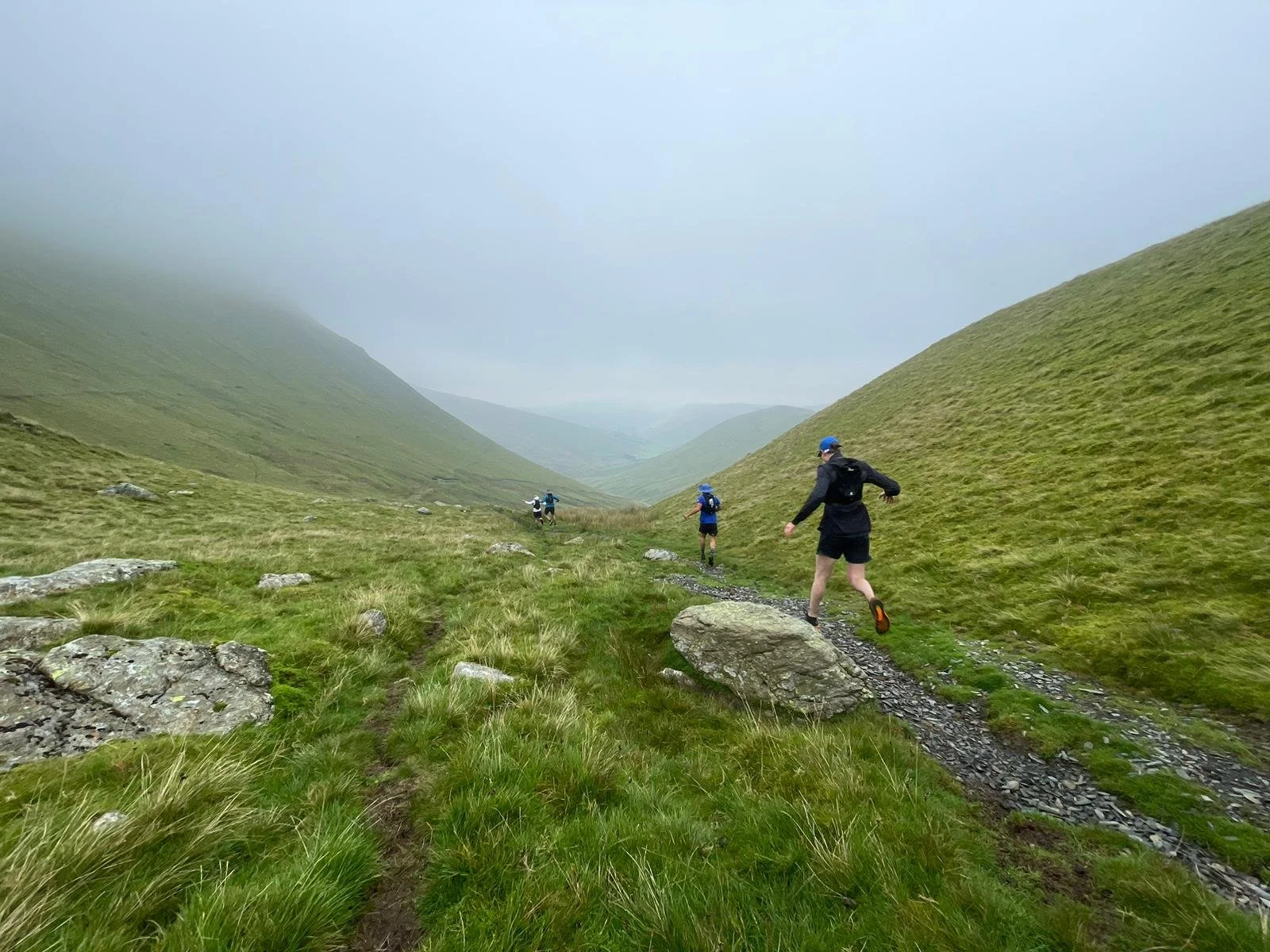
Can You Really Go From Couch to 50K?
Absolutely, but there's an important distinction between being able to finish a 50K and being ready to train for one.
If you're already comfortably running 10K or a half marathon, you've got a useful starting point. If you're completely new to running, your first goal should be building the consistency and physical resilience needed for regular training.
For many runners, preparing for a first ultramarathon is a journey of six to twelve months. Complete beginners may benefit from considerably longer, while experienced runners stepping up in distance may need less time.
There's no magic timeline. Your training history, current fitness, lifestyle and chosen race all matter.
The goal isn't to get to 50K as quickly as possible. It's to arrive at the start line healthy, prepared and genuinely excited about what lies ahead.

Step 1: Choose the Right First 50K Ultramarathon
Not all 50K races are created equal.
A relatively flat, well-marked 50K trail race is a very different challenge from covering the same distance in the mountains with several thousand metres of climbing.
When choosing your first UK ultramarathon, consider:
Elevation: How much climbing and descending will you encounter?
Terrain: Are you running forest tracks, fields, coastal paths or technical mountain trails?
Cut-off times: Can you realistically complete the course at a comfortable running and hiking pace?
Aid stations: How often will you have access to water, food and support?
Time of year: Summer heat, winter mud and exposed mountain weather all present different challenges.
Don't choose your first ultra purely because the photos look spectacular. Choose something that gives you a realistic opportunity to enjoy the experience.
You can always make the next one harder!
Step 2: Build Your Running Base Before Chasing Distance
One of the biggest mistakes beginners make when training for a 50K is focusing too heavily on the long run.
Yes, spending more time on your feet matters. But the shorter, less exciting runs throughout the week are just as important.
For many beginners who've already established a basic running routine, a sensible week might include:
2–3 easy runs: Comfortable, conversational efforts that build aerobic endurance.
1 longer run: Gradually increasing the time you spend running or hiking.
1–2 strength sessions: Developing the strength and durability needed for longer distances.
Rest and recovery: Giving your body time to adapt to the training.
You don't need to run six days a week or spend every weekend covering marathon distances.
What matters is finding a sustainable routine that fits around work, family and everything else life throws at you.
At Beyond Ultra, we use Rate of Perceived Exertion (RPE) to help runners manage training intensity. For most easy runs, think around 3–4 out of 10: comfortable enough to hold a conversation without constantly fighting for breath.
Build consistency first. The bigger training weeks can come later.

Step 3: Gradually Build Your Long Runs
Your weekly long run will become an important part of your first 50K training plan.
It's where you develop endurance, practise fuelling, become comfortable on different terrain and learn how your body responds to spending several hours moving.
But more isn't always better.
You don't need to complete a 40K training run simply because you're preparing for a 50K race.
Depending on your experience and the event, building towards occasional long runs of approximately 2.5–4 hours may provide plenty of useful preparation. Some runners will benefit from a different approach, particularly for mountainous events.
It's also worth incorporating easier weeks. A useful starting structure is to build training over two or three weeks, then reduce the load for a week to absorb the work.
And what about back-to-back long runs?
They're useful in some ultra training programmes, particularly for experienced runners preparing for longer distances. But they aren't compulsory for your first 50K.
I'd rather see a beginner complete consistent, manageable training than force two enormous weekend runs and spend the following week exhausted.

Step 4: Get Comfortable on the Trails
If you've spent most of your running life on roads or pavements, trails introduce an entirely different challenge.
Uneven ground, mud, loose stones, climbs and descents all change how your muscles work.
You don't need to live in the Lake District or have mountains outside your front door, but you should aim to gradually introduce terrain similar to your chosen race.
A few things worth practising:
Running efficiently on uneven ground.
Hiking steep climbs rather than trying to run everything.
Descending with controlled, relaxed steps.
Maintaining a sensible effort when the terrain changes.
Spending time outdoors in different weather conditions.
One particularly valuable skill is power hiking. Walking isn't a sign of failure in ultrarunning. On steep climbs, it can be the most efficient way to conserve energy and keep moving well. Learning when to run and when to hike is part of becoming a better ultrarunner.
Step 5: Strength Training Is Worth Your Time
Running more kilometres isn't the only way to prepare your body for an ultramarathon.
Strength training can help improve muscular capacity and running performance, particularly when combined with a consistent running programme.
For beginners, I'd prioritise:
Split squats and step-ups: Developing single-leg strength for climbing and uneven ground.
Calf raises: Training both the gastrocnemius and soleus to tolerate repeated loading.
Squats and hip hinges: Building strength through the hips and legs.
Single-leg balance and control: Improving confidence and stability on technical trails.
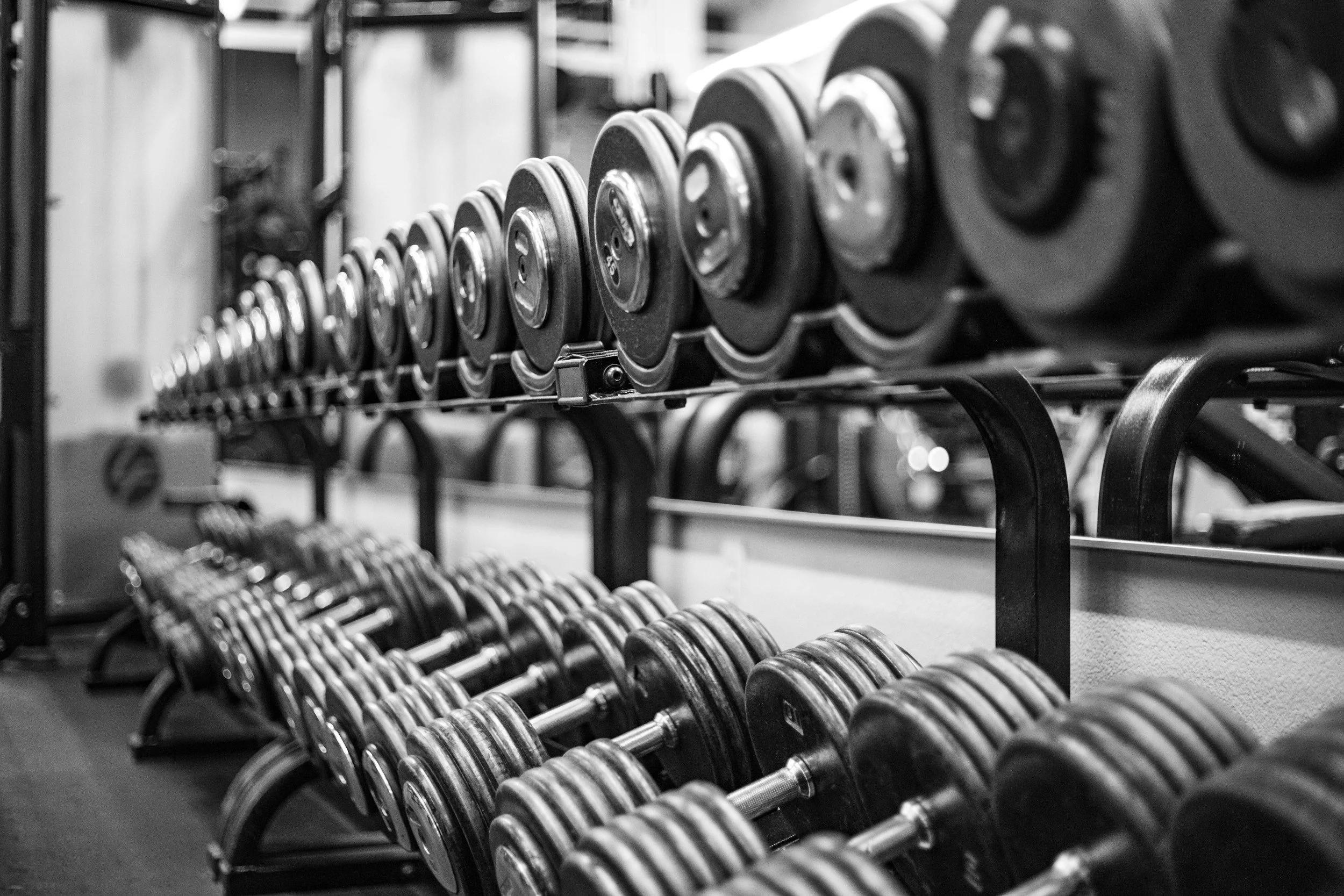
You don't need a complicated gym programme. One or two well-structured sessions each week can be valuable, especially when the exercises and training load are progressed sensibly.
The aim isn't to leave the gym struggling to walk downstairs. It's to become a stronger, more durable runner.

Step 6: Practise Your Nutrition Before Race Day
Ask experienced ultrarunners what can derail a good race, and fuelling will come up regularly.
When you're moving for several hours, your body needs a reliable supply of energy.
For longer training runs, practising around 30–60g of carbohydrate per hour is a reasonable starting point for many runners. Requirements can be higher during prolonged efforts, but tolerance and training history matter.
Experiment with different options:
Energy gels and chews.
Carbohydrate drinks.
Bananas and other familiar foods.
Easy-to-eat snacks that sit comfortably in your stomach.
Start practising on your longer training runs, not for the first time at the start of your race.
Hydration is equally important. Your requirements will change with temperature, effort, duration and individual sweat losses. Drink according to your needs, practise carrying fluids and avoid forcing down excessive amounts of water.
A simple coaching tip: Use your long runs as race-day rehearsals. Test your food, hydration, running pack and clothing together.
You'll learn far more from that than from buying the latest equipment the week before your event.

Step 7: Prepare for Your First Ultra Race Day
By race day, the majority of the work should already be done.
Your final couple of weeks should generally involve reducing training load, recovering from the biggest sessions and arriving with fresh legs.
Once the race starts, remember three things:
Start easier than you think you need to.
The opening 10K of a 50K can feel wonderfully comfortable. That's exactly how it should feel. Getting carried away early is one of the easiest ways to make the second half unnecessarily difficult.
Keep eating and drinking.
Don't wait until you're completely drained before thinking about nutrition. Follow the fuelling strategy you've practised during training.
Break the race into smaller sections.
Rather than thinking about the entire 50 kilometres, concentrate on reaching the next aid station, the top of the next climb or the next manageable section of trail.
You don't have to feel amazing for the entire race. You just need to keep making sensible decisions and moving towards the finish.
Common Couch to 50K Questions
-
No. A marathon can provide useful experience, but there's no requirement to complete one first. With appropriate training, it's possible to progress towards a trail 50K without racing a road marathon.
-
There's no universal target. Your training history, available time, race terrain and ability to recover are more important than reaching an arbitrary weekly mileage. Start from what you can comfortably maintain and progress gradually.
-
Absolutely. Many ultramarathons involve a combination of running and hiking, particularly on climbs. For a first 50K, efficient walking can be an important part of your pacing strategy.
-
An experienced runner may be ready for a dedicated 50K training block after several months. Someone starting from very little running experience should allow longer to develop a consistent base before moving into race-specific preparation.
Your First 50K Is About More Than the Distance
One of the best things about ultrarunning is discovering just how much you're capable of when you give yourself time to improve.
Your first 50K won't necessarily be easy. There will probably be difficult training sessions, muddy shoes, frustrating weeks and moments when you wonder why you entered.
But there will also be new trails, stronger legs, growing confidence and that rather brilliant feeling of crossing a finish line you once thought was beyond you.
You don't have to be an ultrarunner to start training for an ultra. You become one along the way.
Ready to Start Your First 50K?
At Beyond Ultra, we provide personalised trail and ultramarathon coaching for runners of all experience levels.
Whether you're progressing from your first 10K or preparing for your first big trail event, we'll help you build a realistic training programme around your fitness, goals and everyday life.
Our approach combines running, strength and conditioning, race preparation and regular feedback, so you're not simply following a schedule and hoping for the best.
Explore our personalised running coaching
Or, if you'd prefer to train independently, explore our training plans.
Train Smart. Run Wild.