-
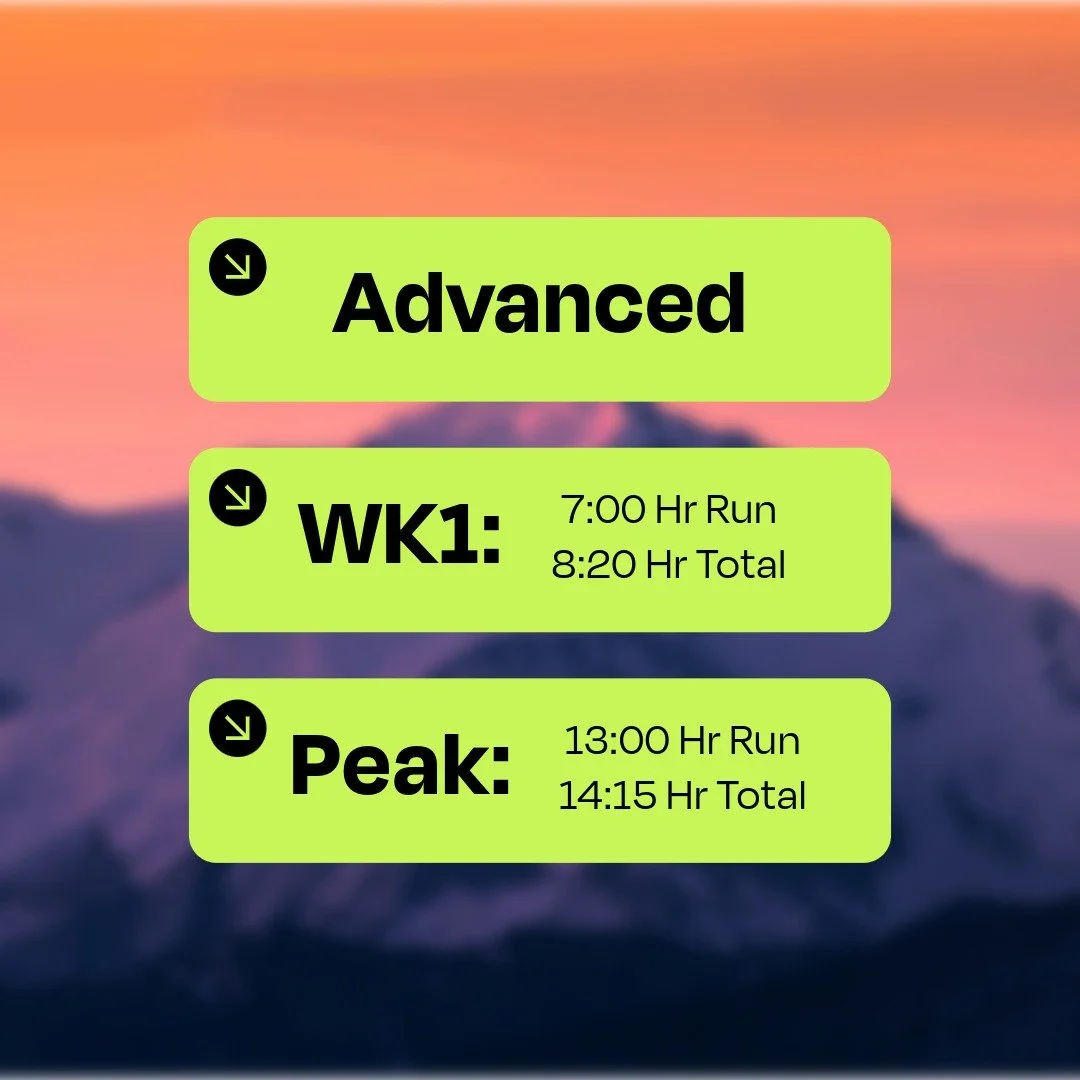
Structured run workouts designed for trail performance
Integrated strength & conditioning sessions to keep you strong and resilient
Guidance on kit and equipment choices for race day
Post-race strategy and recovery advice
-
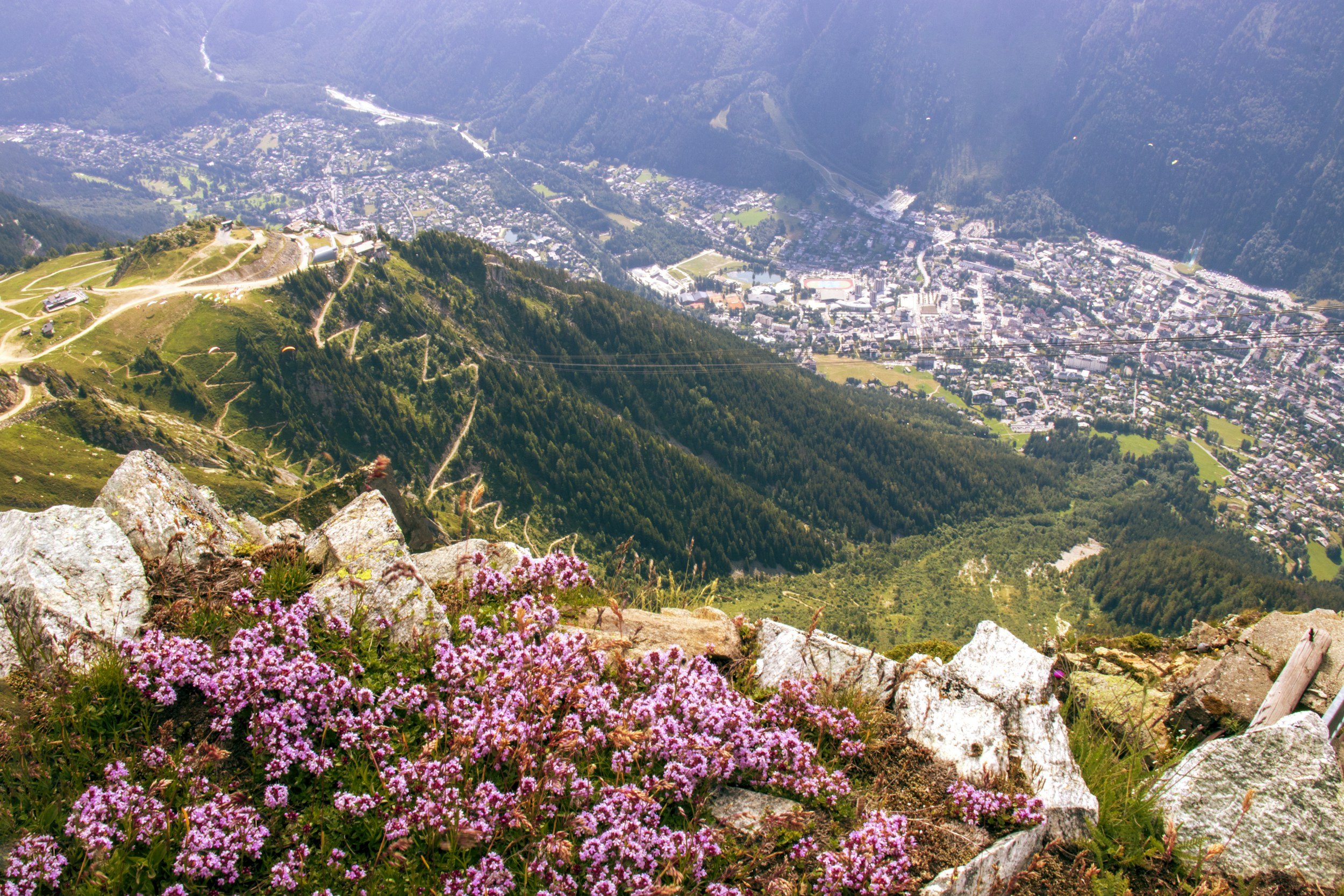
From the moment you leave Chamonix the course feels serious. Long alpine climbs stretch on for hours, technical descents slowly wear down your legs, and runnable sections are far rarer than most runners expect. The distances might be different, but the environment is the same for everyone. Even OCC, the shortest race, takes you high into exposed mountain paths. CCC and TDS stack fatigue quickly, and by the time UTMB runners reach Courmayeur at 80km, many already feel as though they have completed a full ultra.
The race is full of contrasts. You can start in warm sunshine and be pulling on layers against cold wind and rain a few hours later. Night running is guaranteed on UTMB and TDS, and very likely on CCC. Altitude plays a quiet but powerful role. Above 2,000m your heart rate behaves differently, eating becomes harder and every effort feels heavier than it should. Trails that seem straightforward in daylight can feel completely different at 3am when tiredness sets in.
Aid stations are welcoming and well stocked, but they can also swallow huge chunks of time if you are not organised. The real challenge is what happens between them. Steady fueling, controlled pacing and protecting your legs on the descents matter far more than any single fast section.
-
Quad durability is the limiting factor for most runners, not cardiovascular fitness. By Courmayeur it's common to lose 30-60 seconds per kilometre on descents you'd normally cruise down. Over 100+ kilometres, that compounds dramatically.
Sleep deprivation doesn't just make you tired. It disrupts your ability to fuel, navigate and make decisions. Runners often stop eating properly without realising it, then hit a wall that takes hours to recover from.
Road fitness alone won't carry you. You need specific strength for thousands of metres of downhill, real hiking power for the climbs, systems that work when you're moving from 25°C sunshine into 5°C wind and rain at altitude, and the ability to keep fueling when everything feels hard.
Our training plan integrates our Iron Legs programme to help you skip up and down those alpine climbs.