Beyond The Trail: Running Nutrition with Rachel White
Sports nutrition is a minefield. There is no shortage of advice telling runners what they should and shouldn't eat, when they should fuel, and which products are the secret to better performance.
But when you are spending hours on the trails, tackling long climbs, and pushing your body through an ultra, nutrition is not about following the latest trend. It is about understanding what works for you.
We sat down with sports dietitian Rachel White to answer five of the most common questions we see from trail and ultra runners, helping cut through the noise and provide practical advice you can actually use.

Rachel White
My name is Rachel, I am a registered dietitian and sports nutritionist. I support new runners to elite athletes to optimise their nutrition to reach their goals by providing personalised nutrition advice. As an ultra runner and cyclist myself I have both the personal and professional experience. I know what it feels like to be 60km into an ultra and not want to eat, I’ve navigated countless aid stations and tried pretty much all the sports nutrition and real food options out there.
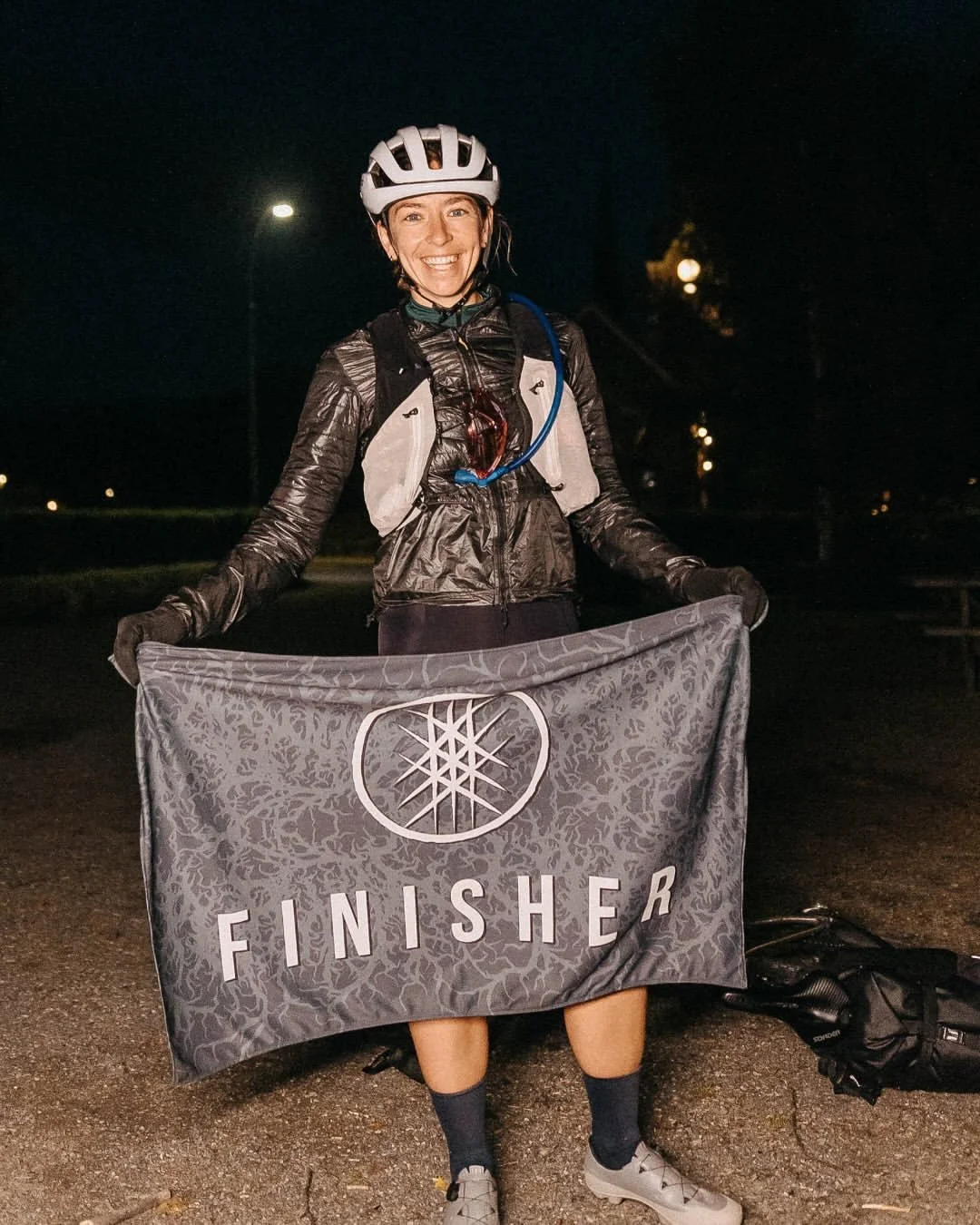
Rachel is not shy to taking on epic endurance challenges, including Mother North, 1010km ultra cycling event, she knows how to dig deep, and fuel the work!
Before we start, as with ultra coaching, sports nutritionist depends on the individual. However we have tried to cover some key elements that will point you in the right direction. Book a free 15 minute chat with Rachel here.
#1
High carb fuelling has become a hot topic, what is it, and should I be doing it?
Carbohydrates are king when it comes to endurance exercise, they are the fuel for our body. How much we need is still up for debate. The guidelines recommend 30-60g per hour for up to 2.5 hours and 60-90g per hour over 2.5 hours. However we are seeing a trend of pushing this higher over 100g per hour. Higher intakes may exceed both the physiological needs and the ability of the body to be able to effectively utilise this carbohydrate. Higher intakes also risk and increase chance of stomach issues as well. It is likely for most people up to 90g per hour will be sufficient, I always recommend the key to fuelling is being consistent. Whilst also ensuring that the pre exercise and recovery nutrition elements are optimised.
#2
How to train my stomach to eat on the run/ how to avoid stomach problems?
Gut training takes time and perseverance. It isn’t natural to eat whilst exercising! I liken gut training to interval sessions - they can be painful at the time, but we know if you continue with them regularly then you will see the benefits.
Start off with what you can manage, then gradually add in a little more each week. For example if you can currently tolerate 30g carbs per hour (eg 1 gel), then add in a couple of jelly babies to this, or have a gel every 45mins rather than every hour. Then week on week slowing increase this up to your target.
Another strategy is to bring your pre exercise meal/snack closer to your run start time, this helps to replicate eating whilst running or stopping at aid stations.
You will likely run into some discomfort, but this is to be expected. Make sure you keep practicing. Practice this gut training on some of your slower and shorter runs during the week, rather than only focusing on your long run at the weekend.
You wouldn’t expect to go and run a 50km if you can currently only run 5km, so don’t expect you can go from 30g carbs per hour to 90g without training and it taking time!
#3
What’s the biggest mistake you see athletes come across?
One of the biggest mistakes is not starting fuelling early. Just remember: Eat before you need to eat and drink before you need to drink. Fuelling should be proactive, not reactive. Leaving it too long before eating puts you at risk of running out of energy but also increases your risk of stomach issues as well.
#4
Is there a way to calculate what I need to carry?
The recommendations I outlined earlier in terms of grams of carbohydrates per hour are the best place to start. How long will you be out for, then work out what this equates to in terms of sports nutrition and/or real food.
If you are doing an event, then do your research in advance. What will be provided at checkpoints - have you tried these foods/products before? Is there a drop bag option, or can you have any support en route to provide you with top up nutrition.
Don’t forget about hydration - getting dehydrated can affect your performance as well as putting you at higher risk of stomach issues. Hydration recommendations will be very individual, as it will depend on weather conditions and sweat rates.
#5
What’s good practice before a race?
The best practice is to practice, practice and practice again. Have a dress rehearsal with your nutrition. Simulate the days leading up to the event in terms of nutrition. Practice eating breakfast or pre race meal that you will be able to replicate on the day. Practice with all the nutrition you intend to use. If you have tried and tested your plan this will help your confidence as well!
Remember nutrition doesn’t have to be complicated, but it does have to be consistent!